
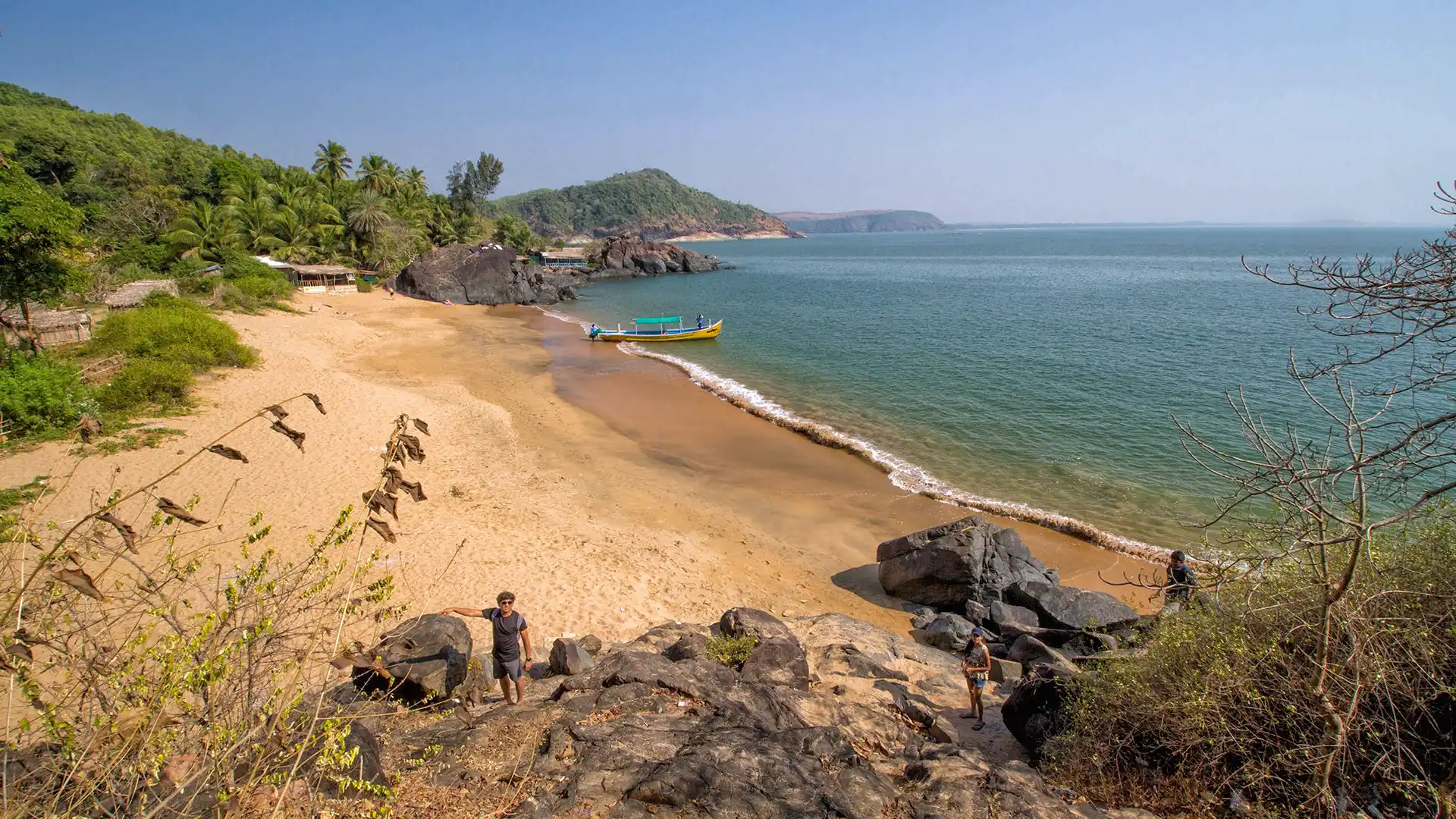
Stand at the hilltop viewpoint between Om Beach and Paradise Beach, look down, and you’ll understand the name immediately. The beach curves into a perfect crescent below you — a neat, symmetrical arc of white sand cradled between two rocky headlands, with turquoise water filling the bowl. Half Moon Beach doesn’t just have a poetic name; it earns it every single day.
Positioned in the middle of Gokarna’s famous coastal trail, Half Moon Beach sits between Om Beach and Paradise Beach quieter than the former, far more accessible than the latter. If Om Beach feels a little too busy and Paradise Beach feels a little too remote, Half Moon is the answer.
It is Gokarna’s sweet spot: enough seclusion to feel like a secret, enough comfort to actually enjoy yourself. For couples, slow travellers, and anyone doing the coastal trek for the first time, this beach consistently delivers the most balanced experience on the trail.
Why Is It Called Half Moon Beach?
The name is purely visual and entirely accurate. From the cliff viewpoint above the beach, the shoreline traces a clean crescent shape roughly 400 metres of sand curving between two rock faces in a way that looks almost architectural. It is one of the most photographed angles in all of Gokarna, and rightly so.
To find the viewpoint, take the trail from Om Beach toward Half Moon Beach and pause at the highest point of the headland before descending. The full crescent shape is only visible from above once you’re on the sand, you’re inside it. Most trekkers rush past this spot on the way down; don’t. Take the photo, sit for five minutes, and appreciate that you’re looking at one of the most naturally beautiful stretches of coastline in Karnataka.
In terms of size, Half Moon Beach near Om Beach is smaller and more intimate than either Kudle or Om Beach. That smaller scale is a feature, not a limitation. The beach never feels crowded, and on weekdays outside peak season, you may have long stretches of it entirely to yourself.
How to Reach Half Moon Beach Gokarna
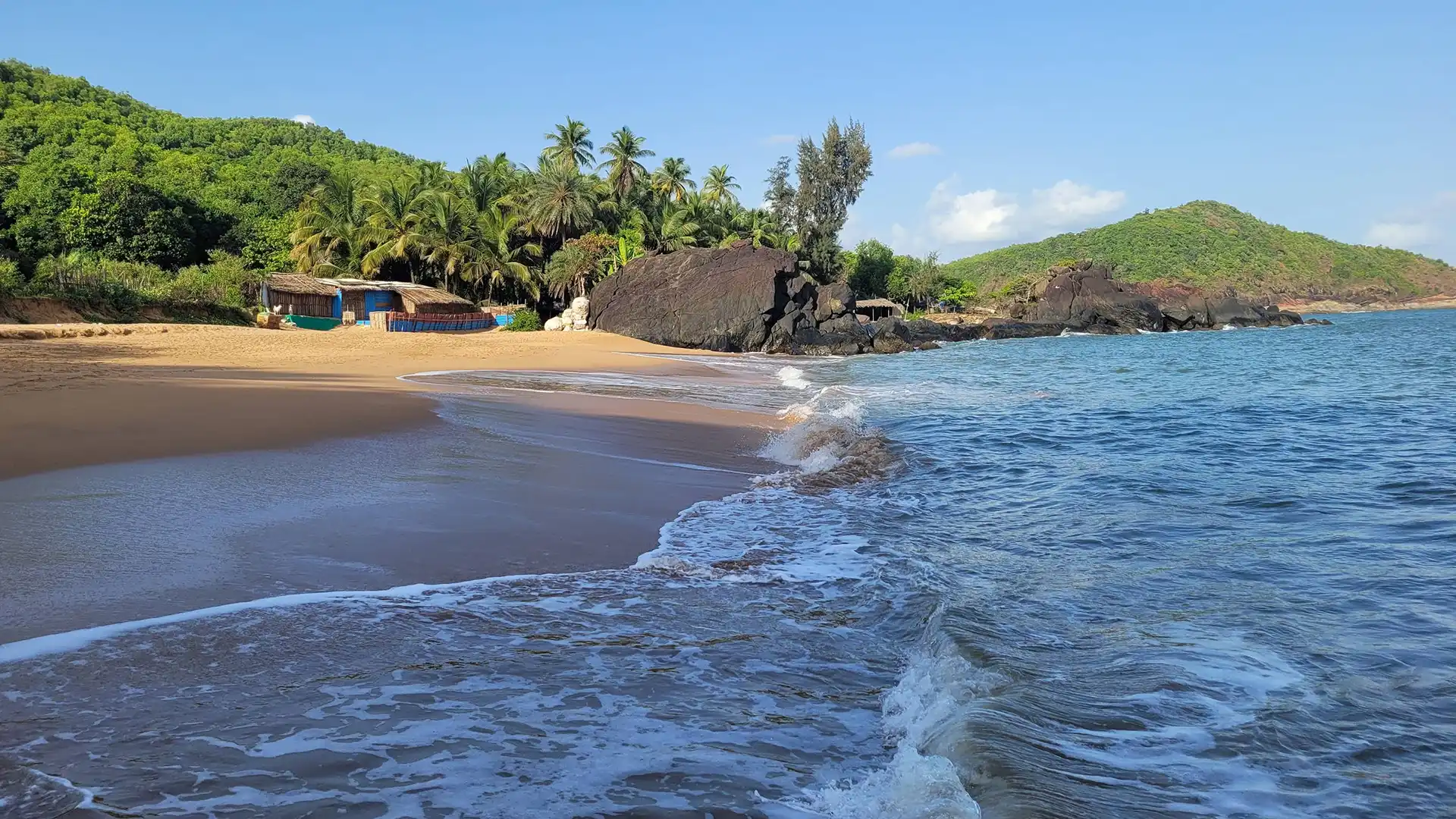
By Boat from Om Beach The easiest option. Shared boats run from Om Beach to Half Moon Beach in 10 to 15 minutes, charging around ₹150 to ₹200 per person. Boats typically depart from the southern end of Om Beach starting around 8:30–9am. The last return boat is generally around 5:30pm confirm this on the day, as timings shift with the season and sea conditions. Missing the last boat means either trekking back in the dark or spending an unplanned night on the beach.
By Trek from Om Beach The Half Moon Beach Gokarna trek from Om Beach takes 30 to 40 minutes over a rocky coastal headland. The trail is well-worn and clearly visible, though it involves some steep climbing and uneven rock surfaces. Moderate fitness is all that’s required. Wear proper footwear not sandals carry water, and avoid the path during or right after rain. The trek itself is genuinely enjoyable, with sea views opening up every few minutes as you gain elevation.
Continuing to Paradise Beach From Half Moon Beach, the coastal trail continues another 30 to 45 minutes to Paradise Beach the last and most secluded stop on the Gokarna coastal trail. If you’re doing the full trail, plan your timing carefully. For a complete guide on what’s waiting at the end, read our Paradise Beach Gokarna guide.
Best Time to Visit Half Moon Beach
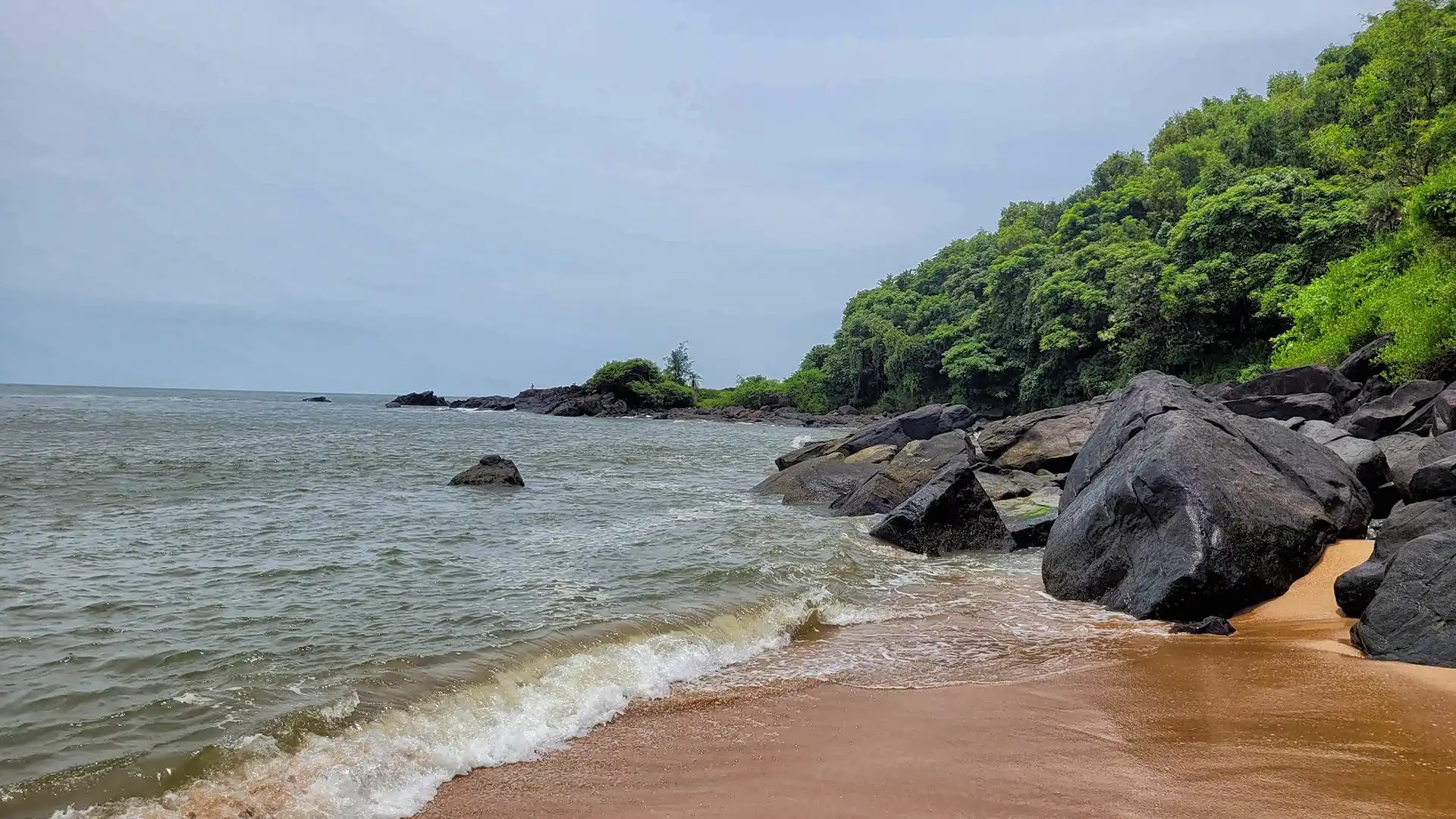
November to February is the ideal window. The Arabian Sea is calm, water is clear, boats run daily, and the beach is at its most swimmable. The weather is warm without being oppressive, and Gokarna’s coastal trail is in its best condition.
October deserves a special mention. Right after the monsoon clears, the water turns a vivid blue-green, the surrounding hills are dense and lush, and the beach feels freshly washed. It’s a beautiful, underappreciated time to visit and the post-monsoon calm brings early bioluminescence season to the stretch further along at Paradise Beach.
Avoid June through September entirely. Monsoon waves make swimming dangerous, boats stop operating, and the trek becomes slippery and genuinely risky. The beach exists during monsoon you just can’t safely get to it.
Within any given day, aim to arrive by 10 to 11am for the best swimming conditions. Late afternoon is spectacular for sunsets the crescent shape catches the last light beautifully and the beach clears out by early evening.
Things to Do at Half Moon Beach
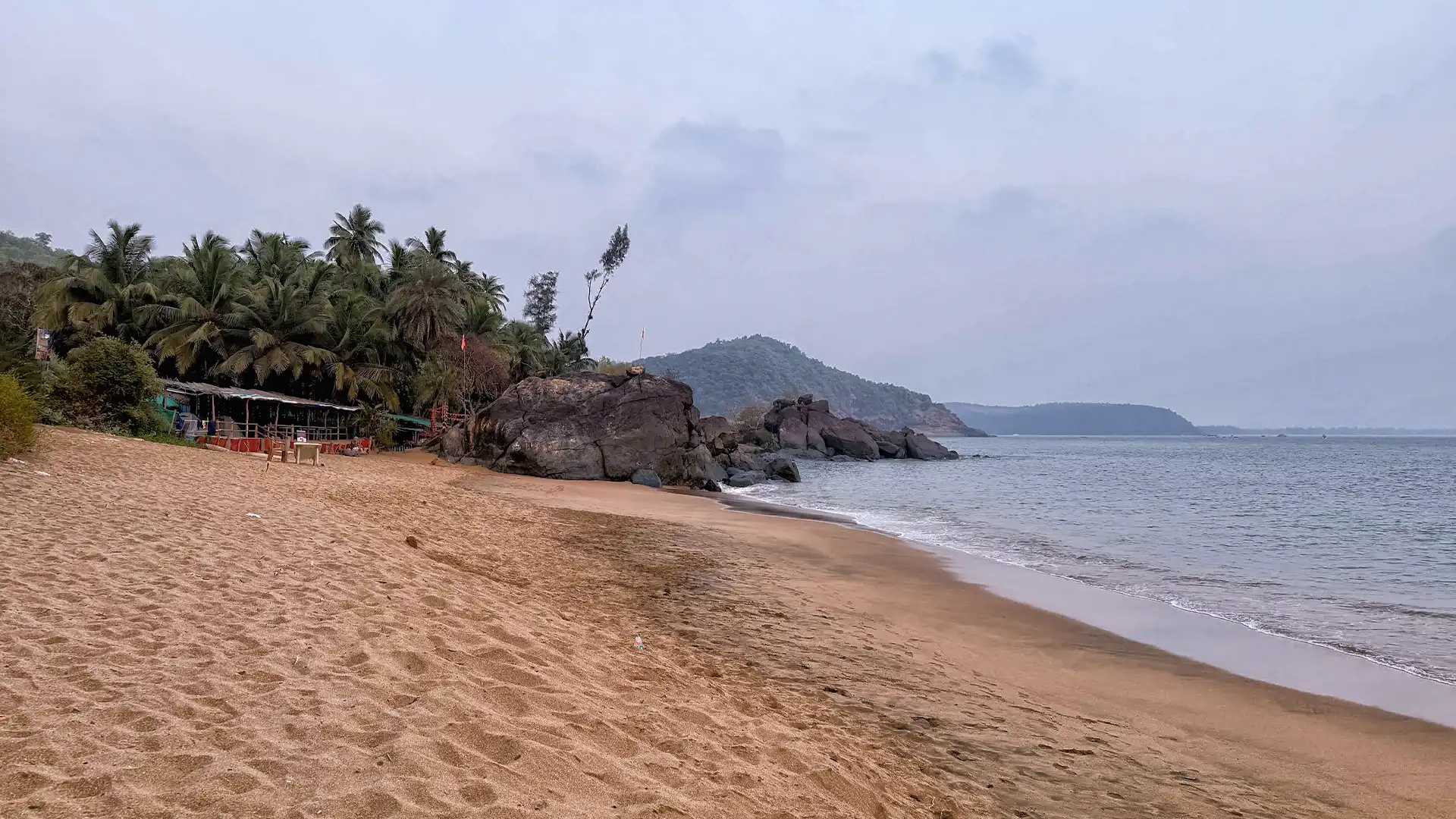
Swimming is the main event, and Half Moon Beach Gokarna does it well. The cove’s enclosed shape means gentler waves and a gradual sandy slope approachable for non-swimmers and genuinely enjoyable for everyone else. The water is cleaner and calmer than Om Beach on most days.
Snorkelling is worth trying near the rocky outcrops at both ends of the beach, where the rock formations attract fish. Visibility is decent, and some shacks rent basic gear. Hammock relaxing is practically a sport here most shacks put out hammocks for customers, and an afternoon swinging between two palms with a fresh juice in hand is a perfectly valid way to spend a day in Gokarna.
For the active types, the cliff walk to the viewpoint is the must-do activity both for the photography opportunity and the perspective it gives on the beach’s distinctive half-moon shape. Sea eagles are regularly spotted riding thermals above the headlands, making this stretch good for casual birdwatching as well.
Finally, Half Moon Beach sits perfectly within the classic day-trip loop: start at Om Beach, trek or boat to Half Moon, continue to Paradise Beach, then return by boat to Om Beach in the evening. It’s one of the best day itineraries Gokarna offers.
Where to Stay at Half Moon Beach
Half Moon Beach Gokarna stays are basic by design. Two to three small shacks on the beach offer simple huts and tents ranging from ₹500 to ₹1,000 per night. Expect bucket showers, candlelight after sunset, and no air conditioning and know that this is entirely the point. Facilities are minimal but the setting makes up for everything.
If you prefer more comfortable accommodation with easier access, a better strategy is to base yourself at Kudle or Om Beach and visit Half Moon as a day trip. Call ahead regardless shack beds are limited and fill up faster than you’d expect in peak season.


Food and Shacks at Half Moon Beach
The shack menus cover the Gokarna coastal trail classics: thali, wood-fired pizza, pasta, Israeli breakfast, banana pancakes, and fresh juice. Prices are notably reasonable there’s none of the tourist markup that Om Beach shacks charge. That said, supply is limited and runs thin by evening, so carry extra snacks and backup food if you’re staying overnight. Water is available but carry your own to be safe.
Half Moon Beach for Couples and Families
For couples, Half Moon Beach Gokarna is close to ideal. It is quiet, romantic in the way only genuinely uncrowded beaches can be, and the combination of the crescent shape, clear water, and cliff viewpoint makes it one of the most visually beautiful beaches on the Karnataka coast. Sunrise here is particularly intimate.
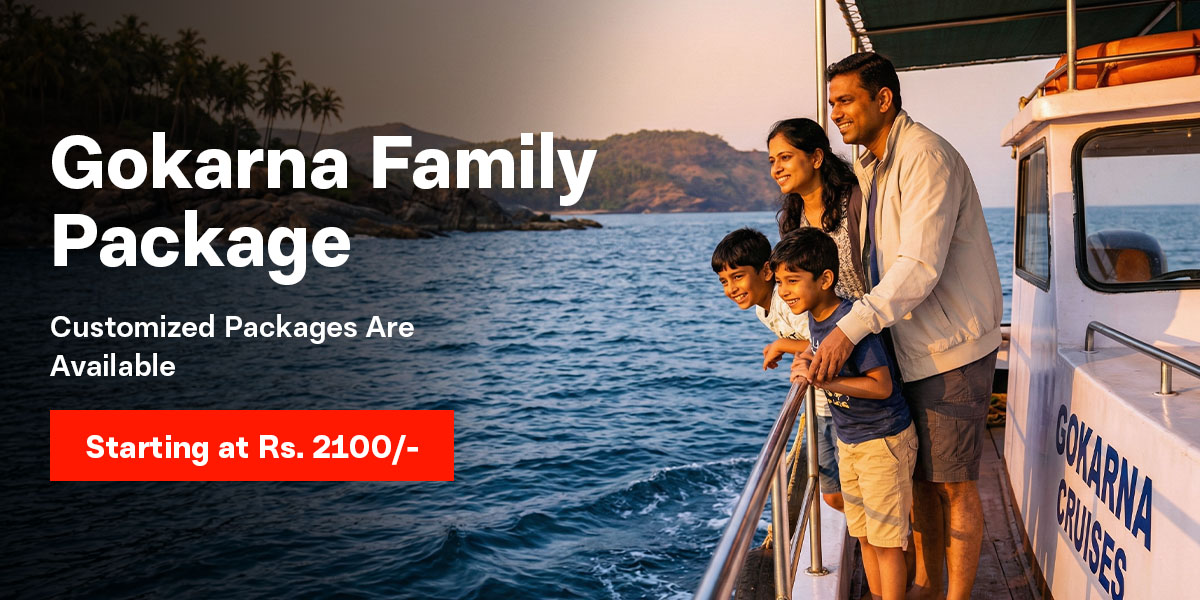
Families can enjoy Half Moon Beach with some caveats. The calm swimming area is safe for older children, and the general atmosphere is relaxed. However, facilities are extremely basic — there is no medical assistance on the beach, no pharmacy nearby, and no quick exit in an emergency. Families with toddlers or anyone with significant mobility considerations are better served staying closer to Gokarna town.
Half Moon Beach vs Paradise Beach
| Factor | Half Moon Beach | Paradise Beach |
|---|---|---|
| Access | Easy (boat or 35-min trek) | Harder (boat or 45-min cliff trek) |
| Crowd level | Low | Very low |
| Swimming safety | Excellent | Good |
| Overnight stay | Basic huts available | Tent camping only |
| Food options | 2–3 shacks, good variety | Very limited |
| Bioluminescence | Rarely visible | Yes, October–November |
| Best for | Couples, families, day trips | Solo travellers, adventure seekers |