
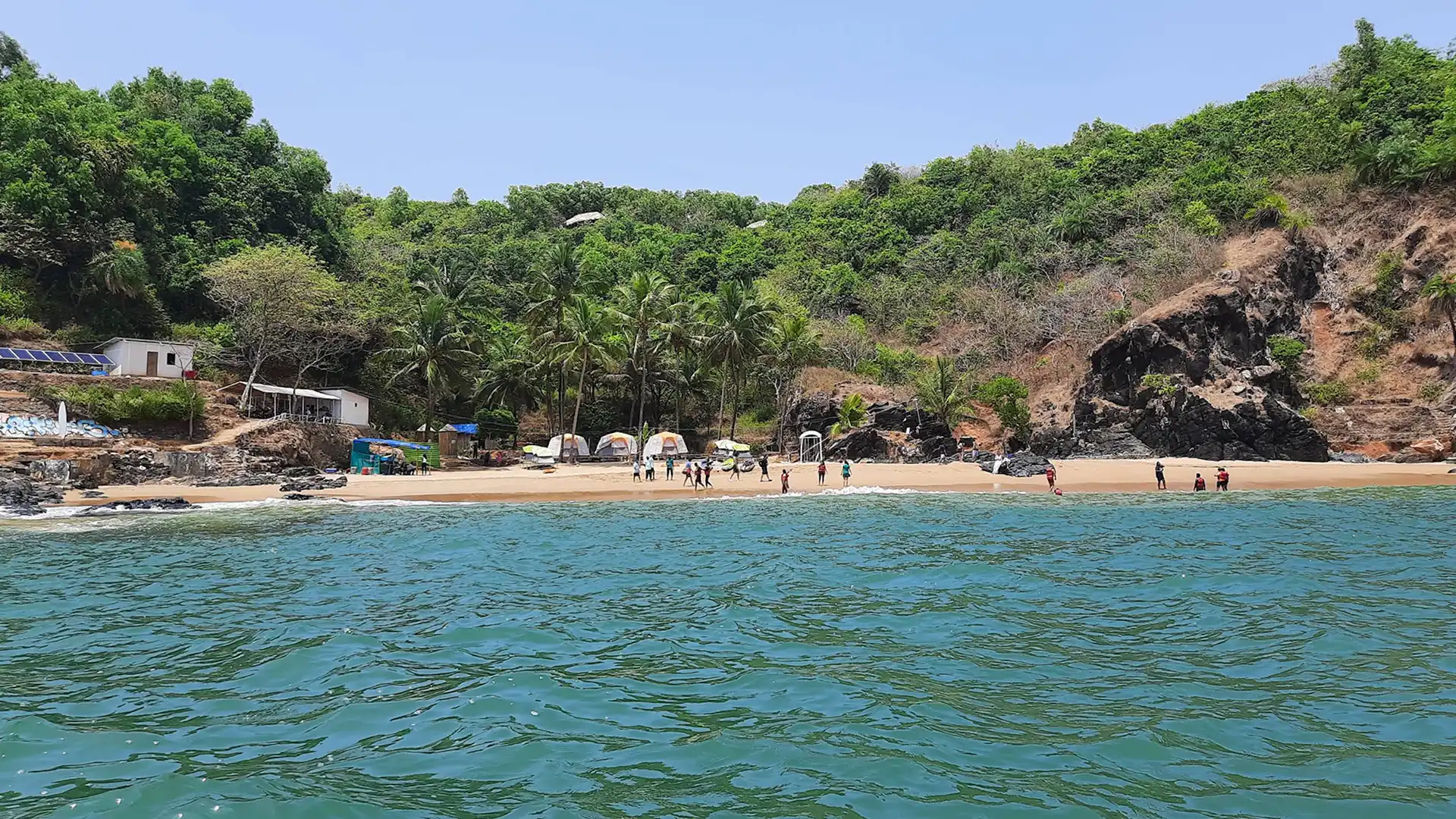
No road. No crowd. No Wi-Fi. Just you, the sound of waves breaking against ancient rock, and the kind of silence that city life has made you forget. Paradise Beach in Gokarna is not a place you stumble upon — it is a place you choose, and that choice alone sets it apart from every other beach on the Karnataka coastline.
Sitting at the very end of the Gokarna coastal trail, this hidden cove is the last beach you reach and, for most travellers, the one that stays with them longest. With no road access whatsoever, the only way in is by boat or a sweaty 45-minute cliff trek from Half Moon Beach and that barrier is exactly what keeps it beautiful. If the journey doesn’t already have you curious, here’s one more reason to make it: on the right nights, the sea here glows neon blue. Bioluminescence. Real, wild, and utterly breathtaking.
What Makes Paradise Beach Special?
There are no resorts, no tuk-tuks, no souvenir sellers, and no weekend Instagram armies setting up ring lights at sunset. What you get instead is a stretch of white sand that looks almost untouched, water so clear you can watch fish dart between your feet, and an atmosphere that feels genuinely removed from the modern world.
The beach sits inside a natural cove, which means the waves are calmer than Om Beach and the water is cleaner than most places you’ll find on the Konkan coast. Plastic is minimal — locals and shack owners here take cleanliness seriously, and so do the visitors who make the effort to reach it.
Then there is the bioluminescence. On dark, moonless nights between October and November, the waves at Paradise Beach light up in electric blue a natural phenomenon caused by marine microorganisms called dinoflagellates that emit light when disturbed. Walk into the shallows, drag your hand through the water, and watch it glow around your fingers. It is the kind of experience that makes you feel small in the best possible way. For everything you need to know about this phenomenon, read our detailed guide on Gokarna Bioluminescence.
And when the bioluminescence fades after midnight, the stars take over. Zero light pollution means the Milky Way is visible on clear nights something most of us haven’t seen since childhood, if ever.
How to Reach Paradise Beach Gokarna (3 Ways)
By Boat from Om Beach This is the most popular and practical option. Shared boats run from Om Beach to Paradise Beach for around ₹200–250 per person and take roughly 15 minutes. Boats typically start in the morning around 8–9am and the last return is usually by 5:30pm but always confirm timings locally as they change with the season and sea conditions. Look for the boat operators near the southern end of Om Beach; they’ll find you before you find them.
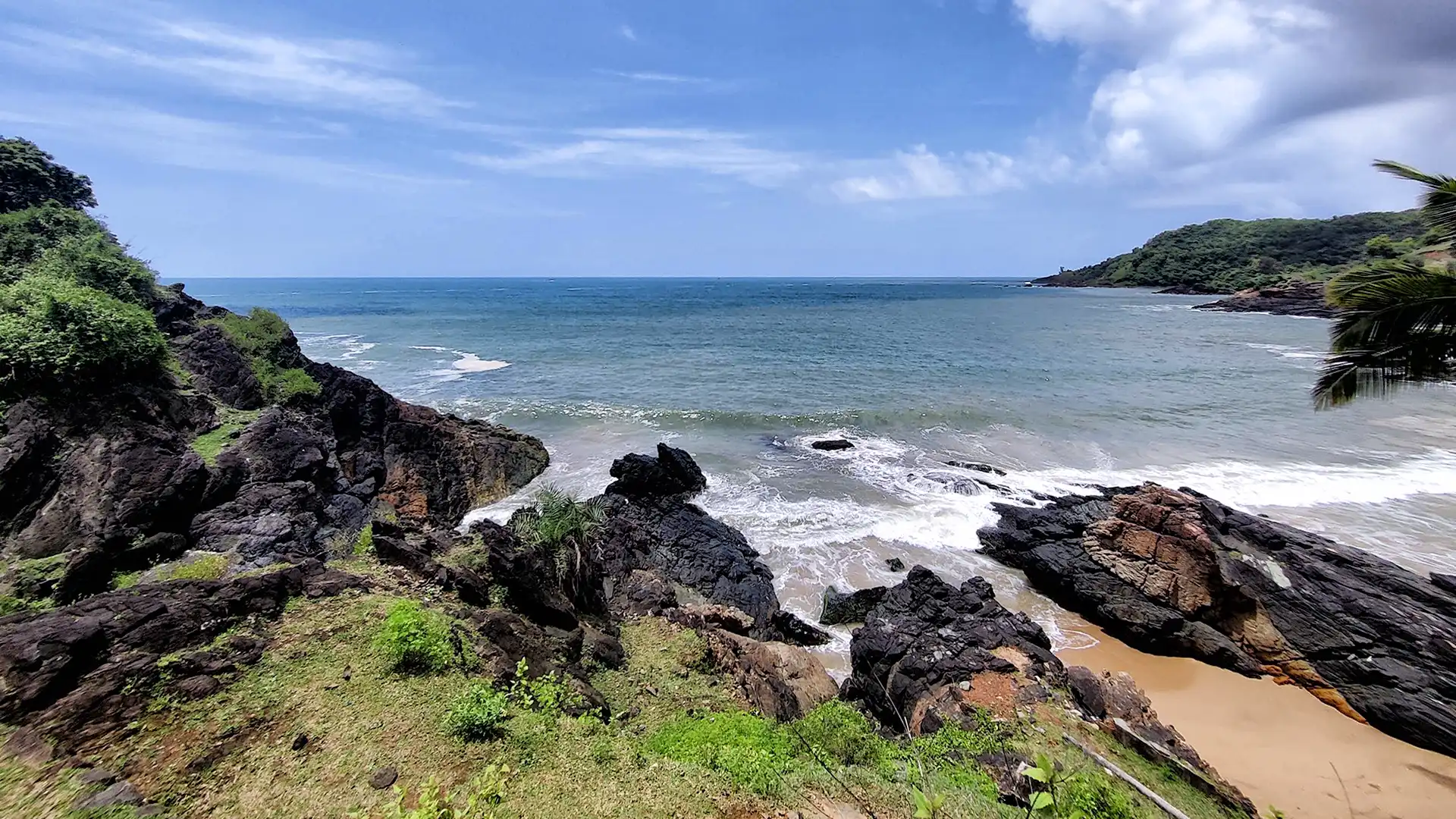
By Trek from Half Moon Beach A 30 to 45-minute rocky coastal trek connects Half Moon Beach to Paradise Beach. The path follows the cliff edge and is moderately difficult manageable for most fit travelers but not ideal for flip-flops or anyone with knee issues. Wear proper footwear, carry water, and avoid this route during or after rain when the rocks get dangerously slippery. The views from the top, looking down at both beaches simultaneously, are worth every step.
By Full Coastal Trek from Kudle Beach For the adventure seekers, the full Gokarna coastal trail runs from Kudle Beach all the way to Paradise Beach a 2.5 to 3-hour walk that passes Om Beach and Half Moon Beach along the way. It is one of the finest short treks on the west coast. For a complete breakdown of the route, check our Gokarna Beach Trek guide.
One critical note: if you’re coming by boat, do not miss the last return. Miss it, and you are spending the night which, honestly, some travelers plan on purpose.
Best Time to Visit Paradise Beach
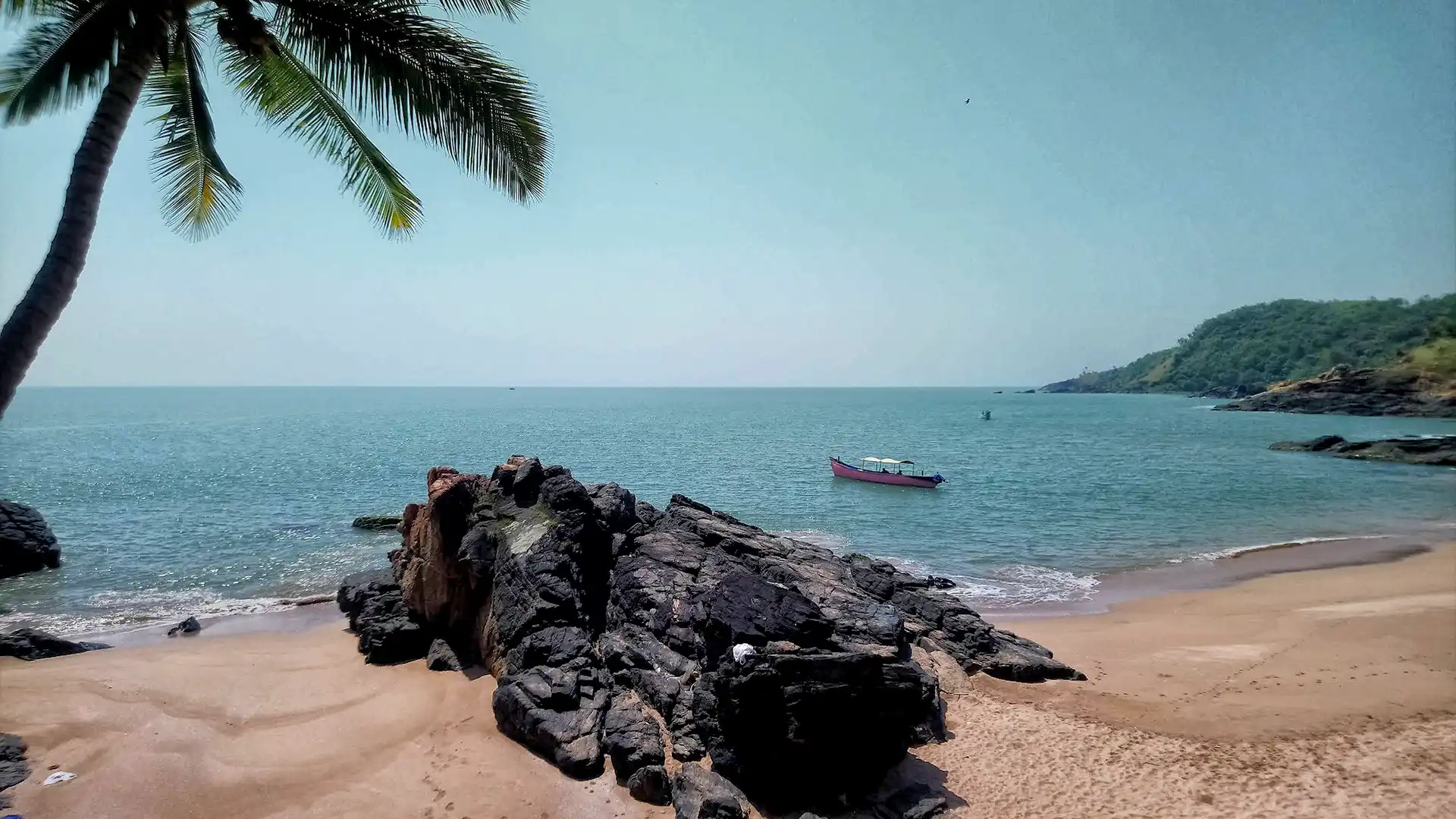
October to February is the sweet spot. The Arabian Sea is calm, boats run reliably, the sky is clear, and swimming is safe. Temperatures are warm but not punishing, and the entire Gokarna coast is at its most inviting.
The bioluminescence window is October to November, in the weeks right after the monsoon ends. The marine activity is highest during this period, and dark, overcast nights (without a full moon) give you the best chance of witnessing it clearly.
Avoid June through August entirely if you want to see the beach at all. The monsoon shuts down boat services, the trek becomes genuinely dangerous, and the sea is too rough for swimming. The beach doesn’t disappear it just becomes inaccessible.
Timing your arrival within the day also matters. Get there by 11am before any day-trippers arrive from Om Beach, settle in, and plan to stay through sunset. The late afternoon light on the cove is exceptional, and the evening is when Paradise Beach earns its name completely.
Camping at Paradise Beach — Everything You Need to Know
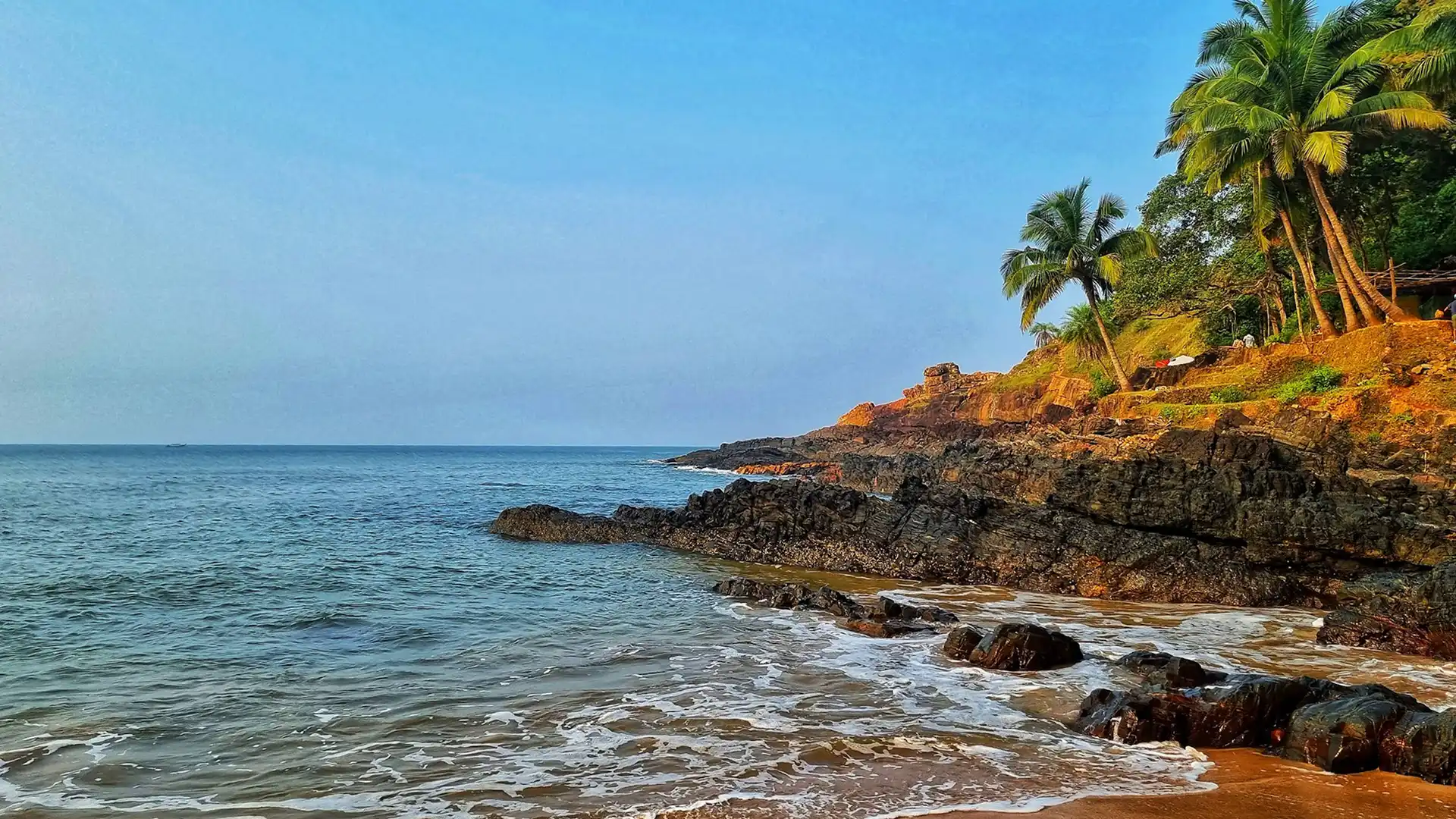
You can camp here, and it is worth it. A handful of basic shacks on the beach offer tent accommodation ranging from ₹500 to ₹800 per night simple setups, nothing luxurious, exactly the point.
What to carry: Bring at least 2 litres of water per person, snacks or a proper meal if you plan to stay overnight, a torch or headlamp, and mosquito repellent. Shack food is available but limited and pricey relative to what’s available in the town.
At night: The beach is safe but requires common sense. There are informal no-alcohol norms maintained by shack owners that keep things calm after dark. Solo trekkers should inform someone a hostel, a friend of their plan before heading out. No mobile signal means you are genuinely off the grid.
For bioluminescence: Head to the water’s edge after 9pm on a dark night. No flash photography your eyes need to adjust to the dark to see the glow fully. Wade in slowly, stir the water gently, and let it happen. For pre-arranged camping packages with bioluminescence-focused itineraries, book through Gokarna360.
Things to Do at Paradise Beach Gokarna
The beach keeps it simple, and that’s the whole appeal. Swimming in the natural cove is the primary activity calmer and cleaner than Om Beach, this is one of the better spots on the trail for actually being in the water. Snorkelling is surprisingly rewarding here too, with good underwater visibility compared to more crowded beaches nearby.
In the morning, the empty sand makes for natural sunrise yoga bring a mat or use a borrowed one from the shack. The north side of the beach has rock pools worth exploring at low tide. And for photographers, the shot looking down from the cliff trail onto the cove below is one of the most iconic frames in all of Gokarna.


Paradise Beach vs Half Moon Beach
| Factor | Paradise Beach | Half Moon Beach |
|---|---|---|
| Seclusion | ★★★★★ | ★★★★☆ |
| Access | Boat or hard trek | Moderate trek |
| Best for | Solo, couple, overnight | Families, day trips |
| Swimming | Excellent | Good |
| Bioluminescence | Yes | Rarely visible |
| Crowd level | Very low | Low to moderate |
The honest verdict: if you want the most immersive, off-grid experience Gokarna has to offer, Paradise Beach wins. If you’re travelling with family or prefer easier access, Half Moon is the smarter choice.
What to Carry and Important Warnings
- Cash only — carry at least ₹500, there is no ATM anywhere near the beach
- Water — 2 litres minimum per person, shack supply is limited and overpriced
- No mobile signal — tell someone your plan before you leave
- Last boat from Om Beach is around 5:30pm — confirm on the day, conditions vary
- Don’t litter — the beach is pristine because every visitor before you respected it. Keep it that way.