
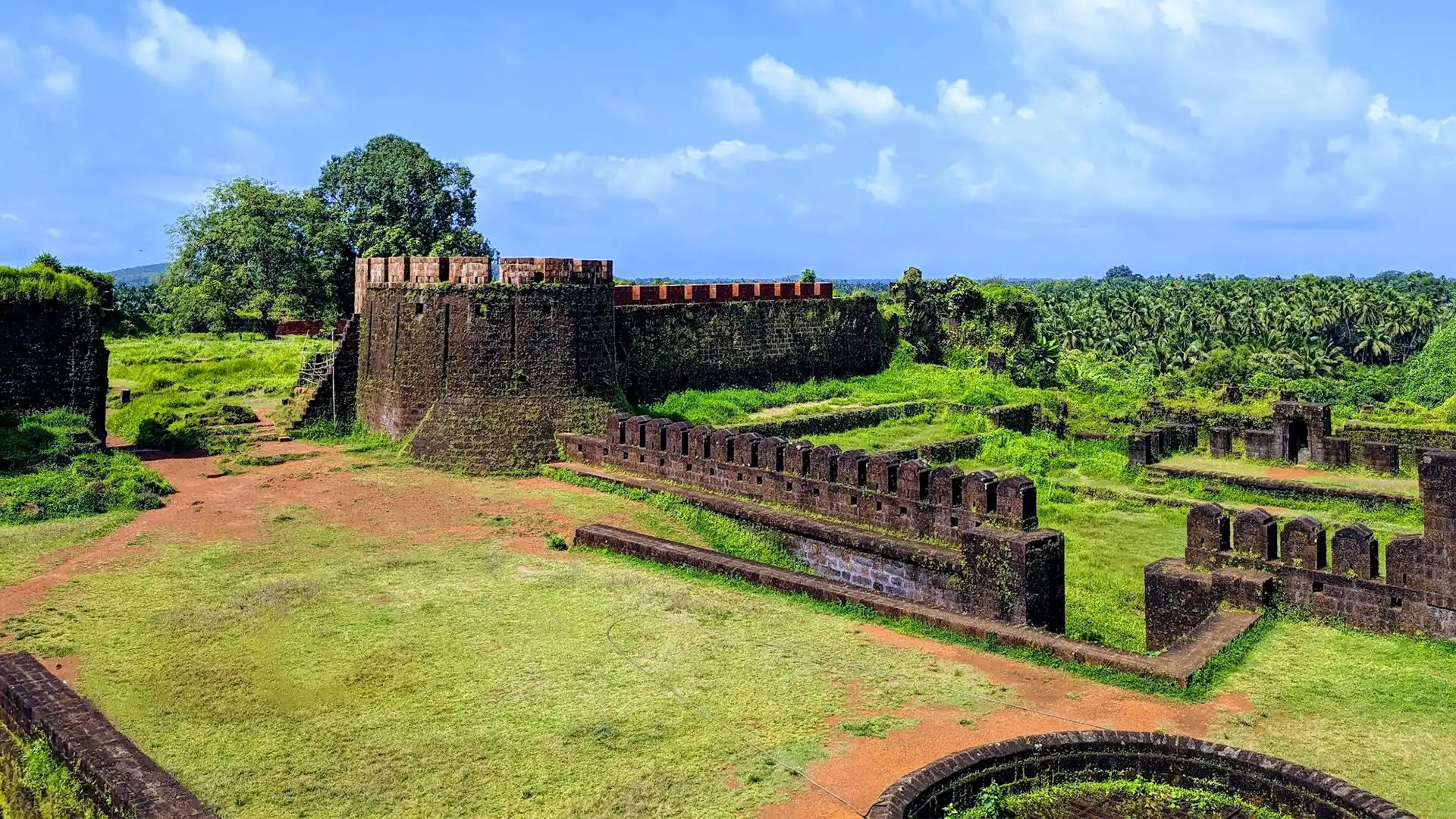
Imagine walking into a lush, green fairy tale. Picture towering stone walls completely covered in a vibrant, velvety carpet of moss. It looks like an ancient castle reclaimed by the jungle.
This isn’t a movie set or a digital painting. It is Mirjan Fort.
Located just a short drive from the famous coastal town of Gokarna, this 16th-century marvel is quickly becoming one of Karnataka’s top travel destinations. It offers history, mystery, and some of the most stunning photo opportunities on the western coast of India.
If you are planning a trip to Gokarna, Kumta, or Honnavar, you absolutely must add this historical gem to your itinerary.
Let’s dive into everything you need to know about visiting Mirjan Fort, from its fascinating history to practical travel tips.
The Fascinating Legend of the "Pepper Queen"
Before you step through the grand entrance, it helps to understand the incredible story behind these walls. Mirjan Fort is not just a beautiful structure; it is a symbol of female power and strategic brilliance.
The fort was built in the 16th century by Rani Chennabhairadevi. She was the queen of the Saluva Dynasty under the Vijayanagara Empire.
Interestingly, she didn’t just rule a small kingdom. She controlled a massive stretch of the western coast. More importantly, she controlled the lucrative spice trade.
During her 54-year reign, she exported massive quantities of black pepper to Europe. This earned her a legendary title from the Portuguese: The Pepper Queen.
Here are a few reasons why her reign was so remarkable:
Strategic Trade: She negotiated directly with Portuguese merchants, maintaining strict control over the local economy.
Safe Haven: She provided shelter to people fleeing persecution from other regions, making her kingdom a sanctuary.
Military Strength: She held off multiple invasions from rival sultans and colonial powers for over half a century.
Walking through the fort today, you are walking in the footsteps of one of India’s most powerful female rulers.
Architectural Brilliance
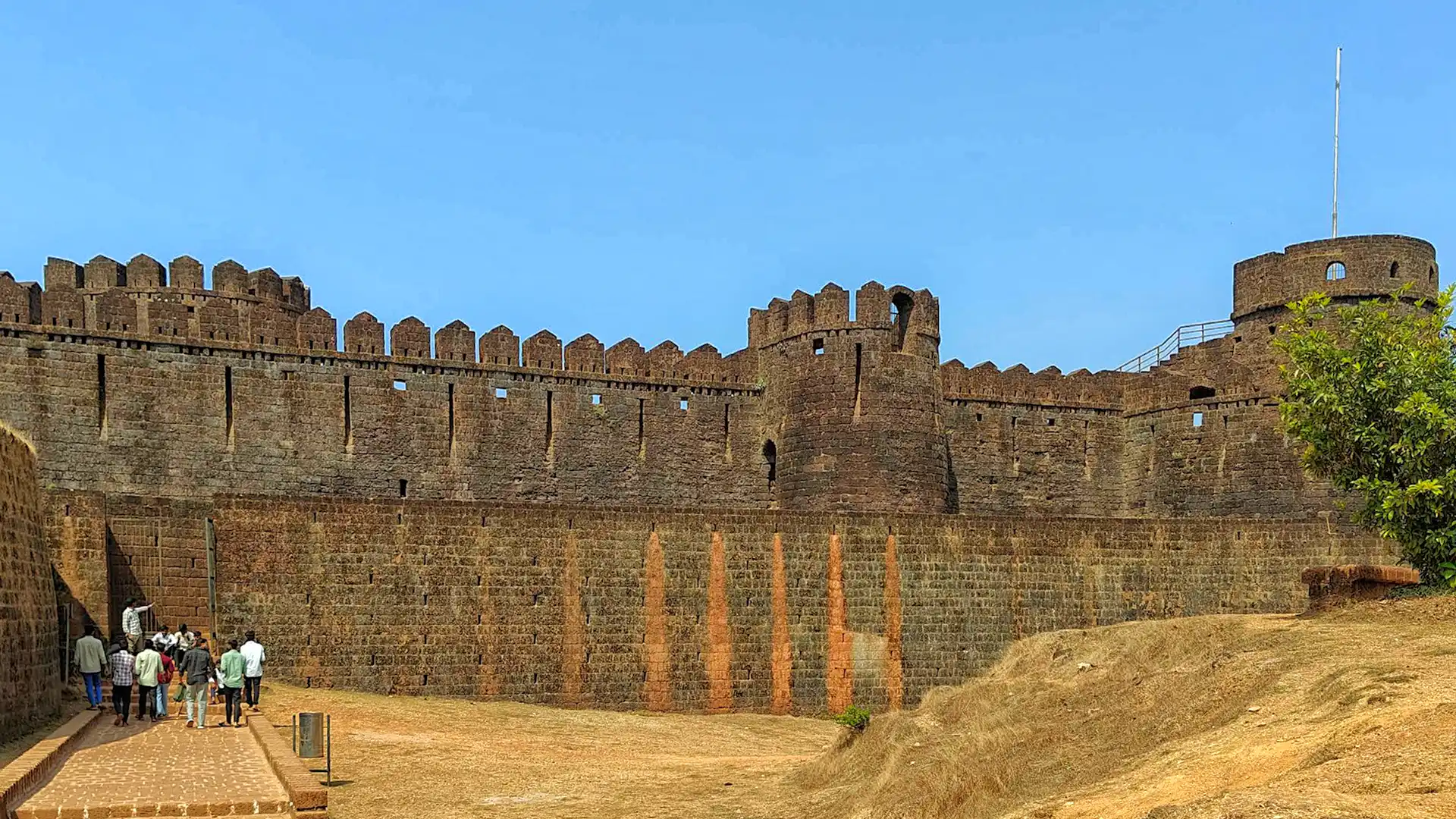
As you approach the fort, the first thing you notice is the massive scale of the structure. The fort spans over 10 acres.
It was built using locally sourced laterite stones. These porous red stones are perfect for the heavy rainfall of the coastal region. The architecture is an impressive blend of Deccan and Mughal styles.
Here are the key architectural features you should explore:
The Secret Passages
Historical records suggest the fort was equipped with hidden tunnels. These secret passages were designed as escape routes for the royal family during surprise attacks. Furthermore, they connected the fort to the nearby river for quick boat escapes. While most of these are sealed off today for safety, you can still see the mysterious archways leading underground.
The Interconnected Wells
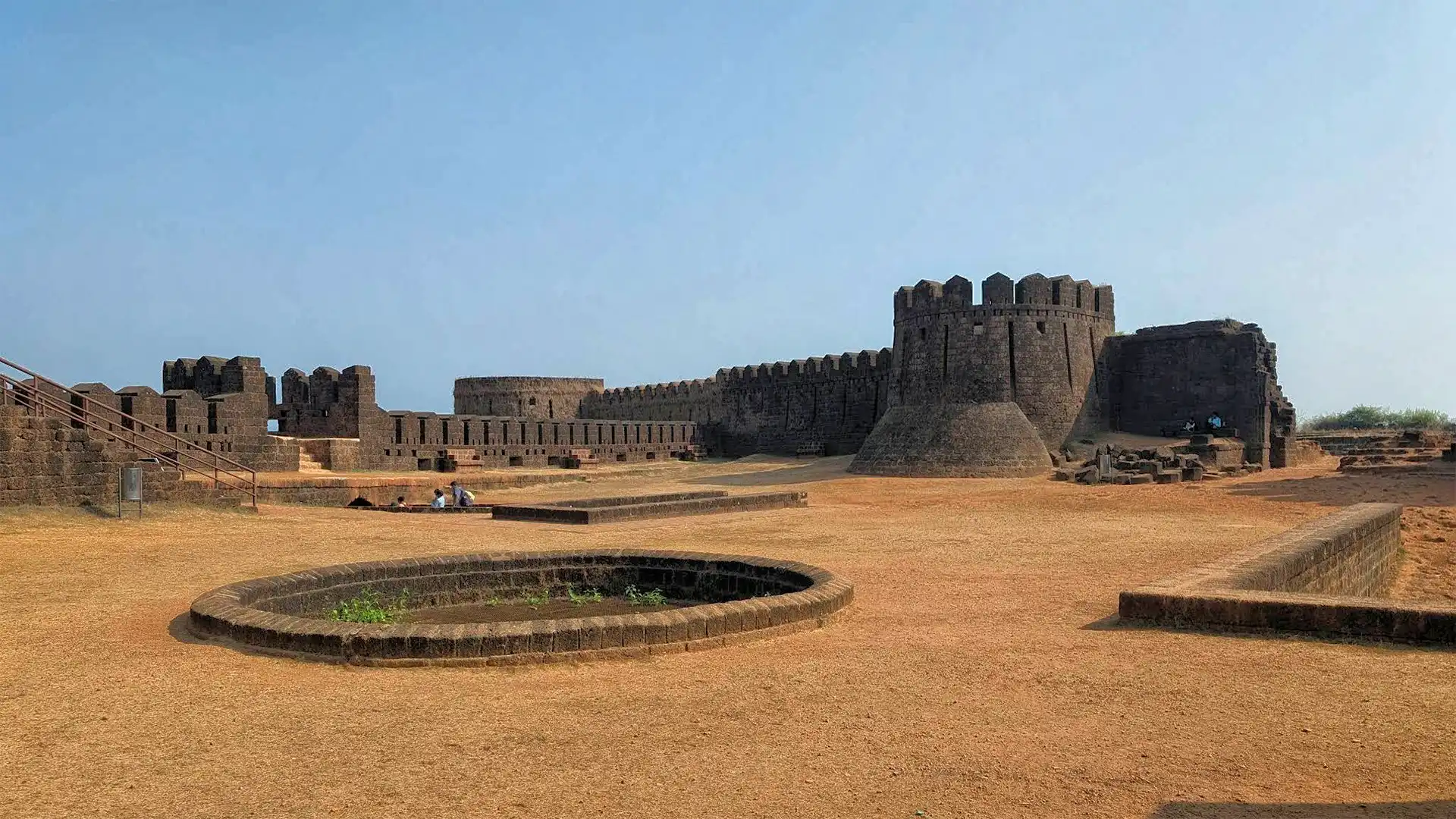
Water management was a massive priority for ancient forts. Mirjan Fort features a brilliant system of interconnected wells. There are about eight or nine wells scattered across the grounds. They are linked by hidden underground channels. Consequently, the fort could withstand long sieges because the soldiers always had a fresh water supply.
The Watchtowers and Bastions
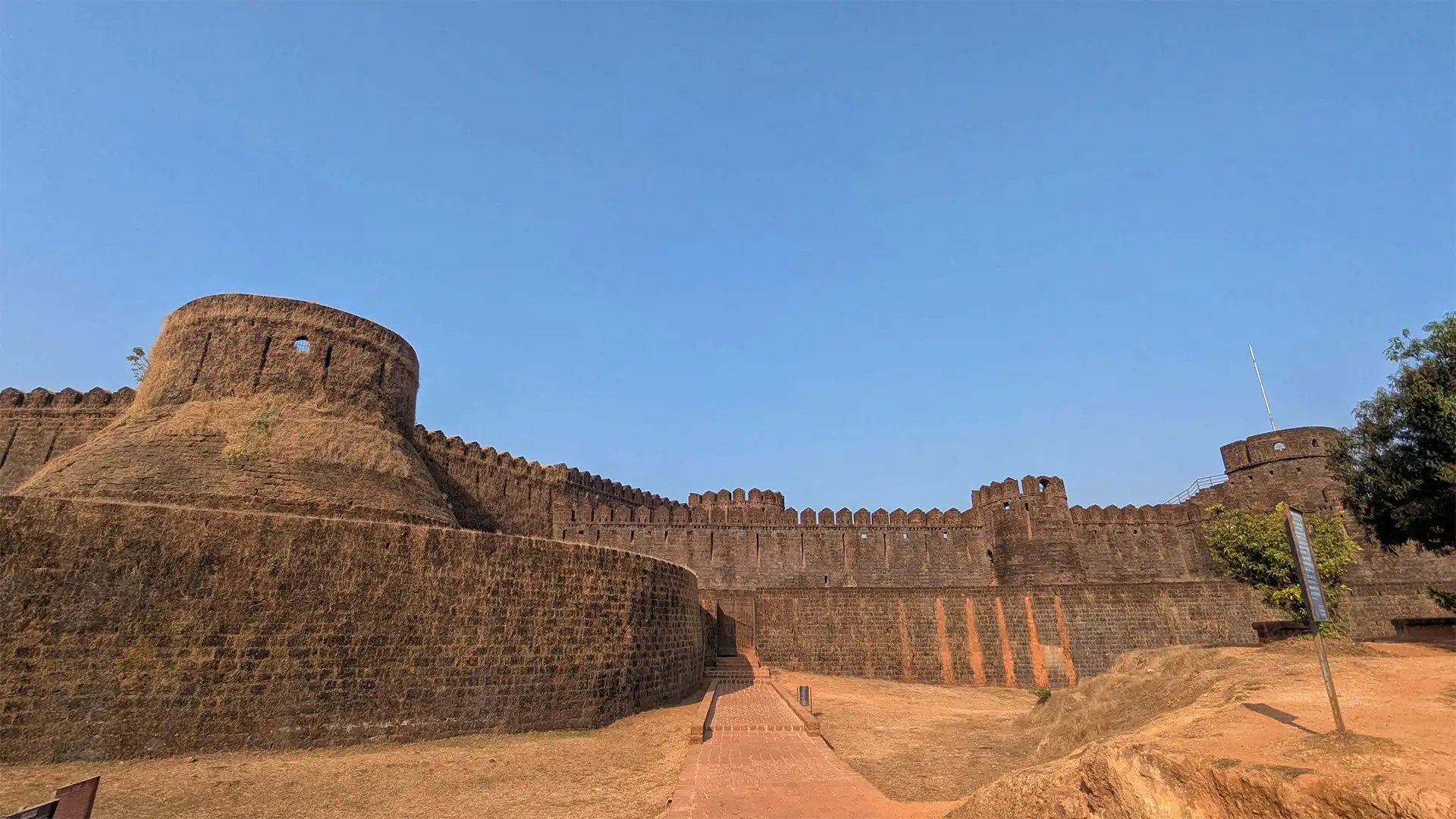
Make sure to climb up the wide stone steps to the top of the bastions. The fort features circular watchtowers that offer panoramic views. From the top, you can see the winding Aghanashini River and the surrounding coconut groves. It is easy to see why the Queen chose this strategic vantage point to watch for enemy ships.
The Magic of the Monsoon: When to Visit
If you search for Mirjan Fort online, you will likely see images of walls covered in bright green moss. This is the fort’s main draw for photographers and nature lovers.
However, the fort doesn’t look like this all year round.
During the dry summer months, the fort reveals its original, raw red laterite stone. It is still beautiful, but it lacks that “fairy tale” vibe.
The absolute best time to visit is during the monsoon and post-monsoon seasons. From July to October, the heavy rains transform the laterite stones. The porous surface absorbs the water, creating the perfect environment for moss and small ferns to grow. The entire fort turns into a living, breathing green canvas.
Therefore, if you want those magical, mossy photographs, plan your trip between August and October. Keep in mind that the coastal heat can be intense from March to May, making the winter months (November to February) the most comfortable time for exploring.



How to Reach Mirjan Fort
Mirjan Fort is highly accessible. It sits just half a kilometer off National Highway 66 (NH66). Whether you are coming from a nearby beach or a major city, getting here is a breeze.
By Road
Most travelers visit the fort as a day trip from Gokarna.
From Gokarna: It is a straightforward 21-kilometer drive south. You can easily rent a scooter or hire an auto-rickshaw for the half-day trip. The ride takes about 45 minutes.
From Kumta: The fort is only 11 kilometers from the town of Kumta. It takes less than 20 minutes by car.
By Train
If you are traveling the scenic Konkan Railway route, the closest major railway station is Kumta. From the Kumta station, you can easily find a local bus or taxi to drop you at the fort.
By Air
The nearest airports are Hubballi Airport (about 140 km away) and Goa’s Dabolim Airport (about 170 km away). From either airport, you will need to take a bus or train down the coast.
Essential Information for Visitors
To make your trip as smooth as possible, here are the practical details you need to know before you arrive.
Entry Fee: Free! Unlike many historical monuments in India, there is currently no entry fee to explore Mirjan Fort.
Timings: The fort is open every day of the week from 8:00 AM to 5:30 PM.
Parking: There is a decent-sized parking area right outside the main gate. Parking usually costs a nominal fee of around 20 to 50 rupees.
Facilities: There are very few facilities inside. You will find a couple of small stalls selling water and snacks near the parking area, but nothing within the fort walls.
Pro Tips for the Best Experience
To ensure you have a fantastic and safe visit, keep these helpful tips in mind:
Wear Proper Footwear: This is incredibly important. If you visit during the monsoon to see the green moss, those steps become incredibly slippery. Leave the flip-flops at your hotel and wear shoes with a good grip.
Carry Water and Sunscreen: If you visit during the sunny months, the heat radiating off the stones can be intense. Bring a large water bottle and wear sun protection.
Arrive Early: If you want photos without crowds in the background, get to the gates right at 8:00 AM.
Leave the Drone at Home: The Archaeological Survey of India (ASI) strictly prohibits drone flying at Mirjan Fort without prior written permission. Local guards will stop you if you try to launch one.
Make It a Day Trip: What to See Nearby
Since exploring the fort only takes about an hour or two, you have plenty of time to see other incredible spots in the Uttara Kannada district. Here are three nearby places to add to your day trip:
Yana Caves: Located about an hour inland, these massive, black limestone rock formations are hidden deep within a lush forest. It is a fantastic short trek and totally unique to the region.
Honnavar Backwaters: Drive south to Honnavar and rent a traditional boat for a ride through the pristine Sharavati River backwaters. It is incredibly peaceful and stunning at sunset.
Gokarna’s Secret Beaches: Head back north to relax at Om Beach, Half Moon Beach, or Paradise Beach. You can finish your day with a seafood dinner by the Arabian Sea.
Frequently Asked Questions (FAQs)
Absolutely. It is one of the most unique coastal forts in India. The blend of rich history and the striking visual of the moss-covered walls makes it a must-visit, especially since it is free and easily accessible.
You will need about 1 to 1.5 hours to comfortably walk the perimeter, climb the bastions, and take plenty of photographs.
Yes, it is very safe. The fort is well-maintained by the ASI, there are security guards at the entrance, and it is a popular spot frequented by families and tourists.
You won't find official government guides waiting at the gate. However, there are informational plaques near the entrance that explain the history of the Pepper Queen and the architecture.